Swirl Wine Bar & Market

Thursday, May 21, 2009

Quip & Mad Dogg's Endive, Pear and Stilton Salad

City Park provided the perfect backdrop for last week's meeting of the DC 10-3=7, and our theme of "picnic" proved to be one of our best endeavors yet. It was one of those wonderful New Orleans nights of perfect weather, fabulous company and delicious wine and food. Although I really loved every course, if I had to pick a favorite, this first salad was probably it! Full posting on the "picnic" themed meeting will be up soon!

Dinner: Picnic
Peeps: Quip & Mad Dogg
Date: May 14, 2009
Course: App
Pairing: 2006 Domaine Bernard Moreaux et Fils 1er Cru St. Aubin

Serving Size: 8

Ingredients:
8 Endive, or 4 Large Endive, halved
10 oz (by volume) Stilton, crumbled
3 Bosc Pears
2 Star Anise
2 Shallots
½ c. Oil (Light Flavor)
2 Ripe Oranges
2 Tsp Tawny Port

Directions - Dressing: (Make ahead if possible)

Chop shallot and crush star anise. In a blender blend shallot, juice from the oranges and port until emulsified. Transfer mixture to jar or bowl and add star anise, salt and pepper to taste. Chill, covered, for at least 4 hours and up to 1 day. Bring back to room temperature, then strain through sieve. Discard solids. Whisk until combined well.

Salad:

Slice pears lengthwise. Lightly sauté them in a little bit of butter (about 2 – 3 minutes on medium heat). Cool pears. Separate endive leaves. Arrange endive, pear slices and stilton onto plates, drizzle with dressing, garnish.

Sunday, May 17, 2009

Food and Wine Pairing: Santa Maria Tri-Tip Steak and Salsa with Eberle VS Cabernet

On as many occasions as the weather or his schedule will allow, Owner/Winemaker Gary Eberle of Eberle Winery in Paso Robles can be found out in front of the winery barbecuing his infamous Tri-Tip steak for his visitors. So just what is Tri-Tip steak? Most popular in the Central Coast region of California, this relatively inexpensive, yet tender and tasty triangular shaped steak is cut from the bottom half of the sirloin. Unfortunately in a lot of areas of the country this cut of meat is near impossible to find, while some have access to it year round. You can speak to your local butcher and he/she should be able to help you get your hands on this amazing piece of meat.

Tri Tip is reminiscent of a good Rib Eye Steak in that it is nicely marbled making it very tender. It is also one of the more flavorful cuts of meat available. In most cases a whole Tri Tip will weigh in at about 5lbs or slightly less, and about 2-3 inches thick.

Gary's ritual is a tradtion that originated in California's Central Coast during cattle round-ups at ranches surrounding the Santa Maria Valley. The ranch owner would treat his helpers (usually his neighbors, friends and family) to a barbecue dinner as a sign of his gratitude for a hard day's work. Today the Santa Maria Style Barbecue is a tradition that lives on in both the ranching community and the neighborhoods of the Central Coast. So much of a tradition that the Santa Maria Chamber of Commerce has their own copywritten recipe! The only condiment for this tender and flavorful meat is fresh salsa. Grilled French bread dipped in sweet melted butter is perfect for soaking up every last bit of the flavorful meat juices. Served on the side is a tossed green salad and slow-cooked pinquito beans, the perfect Santa Maria BBQ!

Here is the recipe from the Santa Maria Chamber of Commerce for the meat and the salsa. And if you'd like the pinquito beans recipe as well, click here: Santa Maria Barbecue

Santa Maria Style Tri-Tip
1 tbsp. salt
1/2 tsp. black pepper
1/2 tsp. garlic salt
1 prime top sirloin steak (3” thick), or tri-tip
Red oak logs, or charcoal and oak chips

Directions:
-First, oak wood logs are placed in a pit with a movable grate and burned until red-hot. Backyard chefs can also use charcoal mixed with oak wood chips and bark available at local markets. Once lit, the fire should be hot but not blazing.
-Season the meat with salt, pepper and garlic salt to your desire.
-Do not trim off the fat before putting the meat on the grill. By placing the fat side over the fire first, the juice will come up through the meat and make it tender.
-Sear the lean part of the meat over the fire for 5-10 minutes to seal the juices, then flip over to the fat side for 30-45 minutes, depending on the side of the cut and the desired degree of doneness. When juice appears at the top of the meat, it is time to flip for another 30-45 minutes.
-The fat can easily be trimmed after cooking. It is important to slice tri-tip against the grain the long way, not across the triangle. It won’t be a uniform cut, but it will be more tender.

Santa Maria Style Salsa
3 medium fresh tomatoes, chopped
1/2 cup finely chopped celery
1/2 cup chopped green onions
1/2 cup finely chopped California green chiles
2 tbs. snipped cilantro
1 tsp. vinegar
Dash of Worcestershire sauce
Pinch of garlic salt
Pinch of dried oregano, crushed
Few drops of hot pepper sauce
(Yields 3 1/2 cups)

Directions:
Combine all ingredients in a bowl. Cover and let stand for one hour to blend flavors.

Serve with Eberle VS Cabernet for an incredible Central Coast style dining experience!

Saturday, May 16, 2009

Wine of the Moment: Eberle Vineyard Select Cabernet

Paso Robles Cabernets are some of my favorites in terms of immediate accessibility. But further distinction can be made in terms of Cabernet produced on the east or west side of the dividing line of the Salinas River paralleled by Highway 101. There is a lot of information out there on the differences in soil content, climate, rainfall and elevation of the east and west side of the river and how that effects what is in your glass.

Located on the east side of the dividing line, Paso Robles pioneer Gary Eberle has been making premium wines for more than 35 years. Today, Eberle is one of the highest award-winning wineries in the U.S. and ranks in the top 10 of gold medal award-winning wineries in the country.

Gary chose the east side for his winery for a number of reasons including the infertile loam and clay loam soils, higher daytime temperatures and lack of rainfall (only 12" per year). And if you've ever tasted his cabs, you know that he chose his site well!

From their website: "Eberle Vineyard Selection Cabernet Sauvignon displays 100% varietal characteristics blended from five distinguished Paso Robles vineyards, including the Eberle Estate vineyard. Once complete, the lots were barreled separately in a mix of American and French oak barrels. After the first racking, each lot was tasted then blended and left in barrel for 18 months. Approachable and enjoyable in its youth, lush with flavors of wild berries, cassis and moderate tannins, it is also worthy of aging for several years.

Layers of cabernet fruit exuding rich flavors of currant and dark berries with a firm structure of tannins easily complement a variety of favorite dishes including braised lamb shanks with rosemary, roasted duck, or a juicy rib-eye steak with a dollop of blue cheese."

Meet Gary and try his incredible wines at our Tuesday night tasting including the delicious Vineyard Select Cabernet!

Monday, May 11, 2009

R. Lopez de Heredia, Excellence, Tradition and "Supreme Rioja"

Not much has changed at the historic R. Lopez de Heredia winery since its beginnings in the 1880’s. Steeped in tradition and practices started by founder Don Rafael Lopez de Heredia y Landeta, the winery uses only estate grown fruit, natural yeasts, long aging in wood and no filtration at bottling.

The winery and vineyards, some of the first in the area, are located in the heart of Spain’s wine producing regions, the Alta Rioja. Unlike most of its competitors, now owned by outside investors, López de Heredia is owned by the family who founded it and every detail of its operation is handled with the same care and attention to detail as it has been since 1877. The bodega is now in the capable hands of the family’s youngest generation, Maria José, Mercedes, and Julio Cèsar and their wines continue to conjure the heritage, passion and prestige evoked by those of founder Don Rafael's "Supreme Rioja" .

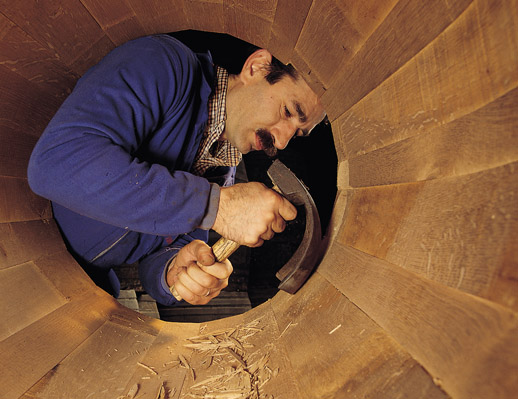
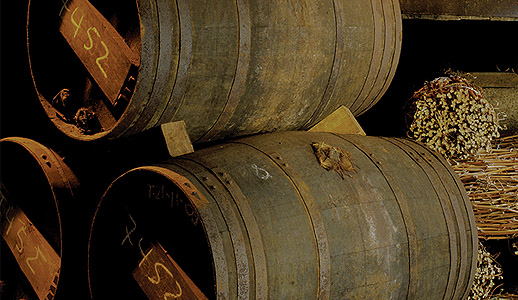
Heredia was one of the earliest pioneers in Spain to adopt what were then the "modern" technologies of French winemaking, including the use of oak barrels for aging wine, and the French system of racking wine off its sediment. The winery continues to use oak barrels, and continues to recondition its own barrels with hand adzes, just as it has done for more than a century. Heredia also continues to use the painstakingly slow process of hand racking the wines using bronze spigots and oak funnels and buckets, a technique which has been abandoned by all but the most fastidious Bordeaux winemakers.

Patience takes on new meaning in the winery as wines from the Tondonia vineyard are regularly aged for at least sixty months in cask before bottling, and then several more years in the bottle under a thick shag carpet carpet of some of the most spectacular mold and cobwebs you could ever imagine in a wine cellar. Such extended ageing in neutral oak casks, in addition to eliminating the need for filtration, imparts a special character to these wines, and keeping the bottles amongst the mold apparently tends to prevent insect damage to the corks and preserve humidity.

López de Heredia’s greatest wines are their two red Gran Reservas, Viña Tondonia and Viña Bosconia, aged 6 to 8 years in immaculate old barrels, which mellows the fruit, allows for natural clarification, and gives the wines a wonderful complexity. But even after these Gran Reservas are bottled, they’re not ready for sale; López de Heredia often keeps them a decade more before shipping a bottle.


Tondonia, Gravonia, and Bosconia refer to single-vineyard designated sites from which the winery grows all their fruit. The blends from year-to-year do not vary much: Tondonia whites are made (generally speaking) from 85% Viura, 10% Malvasia, and 5% Garnacho Blanco.

The Tondonia reds are a blend of 75% Tempranillo, 15% Garnacha (Grenache), and 10% Manzuela and Graciano, the classic Rioja proportions. The backbone is provided by Tempranillo since it is the most balanced varietal in Rioja. Its ageing-capabilities and alcohol content are derived from the Garnacha, while the acidity and color come from the Graciano and Manzuela grapes. Of the last two varieties, Graciano is a high-yielding vine in which the grapes never reach full maturity, while Manzuela has a very long ripening cycle and also rarely reaches maturity; both therefore provide the acidity for which Lopez wines are famous. Gran Reserva wines are chosen especially for particularly great vintages.

If you haven’t tasted traditional style Rioja, meaning no chemicals, no pesticides, no chaptalization, no machines, only hand-harvesting, only hand-racking with oak funnels, and 4 barrel-makers on staff, etc., etc., Lopez should be at the top of your list. And we are offering you an opportunity to not only taste the wines, but to meet Marie Lopez de Heredia at Swirl on Tuesday, May 12 at 6:30 pm! $10, reservations required, call 504.304.0635 or click here to Sign Me Up!

Here is a great video interview with Maria Lopez de Heredia about the winery and their philosophy on traditional winemaking:

Trust This Tip!

Looking for the best coffee in NYC, the freshest fish in New Orleans, a great little hotel in Paris or simply a romantic spot to watch the sunset in Florence? A new edition to swirl and savor, T3 offers a weekly travel, food or wine related tip that you need to know about! These are not paid endorsements but simply tried and true tips for inquisitive minds.

This Weeks Tip!
House Made Artisan Meats – Inspired by old world meat markets, Chef Donald Link with partners Chef Stephen Stryjewski and Chef Warren Stephens, opened the new Cochon Butcher in the Warehouse District of New Orle
ans. They specialize in house made artisan meats, sausages, and Salumi Expert Kris Doll makes all salumi on premise. The store also offers Cajun specialties from Link’s heritage like Boudin, Andouille, and Tasso. Also available are great wines by the glass and an incredible sandwich menu using the house made meats. Check out this article by the New York Times! Real Cajun Food From Swamp to City!


Rioja Potatoes and Spicy Chorizo

One of the Rioja's most famous dishes contains many of the region's signature ingredients: bell peppers, potatoes and chorizo, simmered in a smoky sauce thickened by the potato starch. You can get locally grown potatoes now at the Crescent City Farmers Market and Butcher (Couchon's new addition) is making their own delicous house-cured Chorizo that you can purchase at retail! Pair it with my "wine of the moment" below, the Lopez de Heredia Vina Cubillo for a traditional Rioja experience!

Ingredients

1. 2 tablespoons extra-virgin olive oil
2. 1 small onion, finely chopped
3. 1 1/2 pounds potatoes, peeled and cut into 1 1/2-inch pieces
4. 1 small portobello mushroom, stemmed and cap thinly sliced
5. 1/2 green bell pepper, diced
6. 1 bay leaf
7. 1/2 teaspoon pimentón de la Vera (smoked Spanish paprika available at Whole Foods)
8. Pinch of crushed red pepper
9. 2 cups water
10. 6 ounces dry Spanish Chorizo, sliced 1/4 inch thick
11. Salt


Directions

1. In a large skillet, heat the oil. Add the onion and cook over moderate heat until softened, 5 minutes. Add the potatoes and portobello and stir to coat with oil. Add the green pepper, bay leaf, paprika, crushed red pepper and water and bring to a boil.
2. Cook the potatoes over low heat for 10 minutes. Add the chorizo and simmer over moderately low heat until the potatoes are tender, 20 minutes. Season with salt, discard the bay leaf and serve.

Recipe from Food and Wine, October 2007

Wine of the Moment, Lopez de Heredia Vina Cubillo

"La Rioja" has always been a vital part of Spain's history. Phoenicians, Carthaginians, Romans, Moors, and finally, medieval Crusaders have all played a part in the area's history. The Romans, however, made wine a part of their culture wherever they traveled, and Rioja was no exception. Ancient sites of Roman wineries still exist in and around the area today.

After the Romans came the Moors, and wine making all but ceased. It wasn't until after the famous "El Cid" liberated Spain, and medieval Christianity brought trade via the Crusaders through the region, that it flourished again. The Benedictine monks of Cluny in Burgundy, known for their viticulture, helped to establish three monasteries in the area. But the real improvements to Rioja's viticulture began around 1780 when the need to prolong wine during transport brought about experimentation with different woods and preservatives. Studies were made of the techniques used by great chateau in Bordeaux.

When phylloxera devastated Bordeaux in the 1870s, the French turned to Spain for disease free root stock. Their influence really took hold in Rioja and many of the region's finest bodegas started production on what we now consider as the great wines of Rioja. Bordeaux winemaking methods at the time involved long aging in barrel, a factor that the Riojans took up enthusiastically. So enthusiastically in fact that to this day there are a number of Bodegas that still make their wine in a surprisingly similar fashion to that of the Bordelais in the later part of the 1800s and this also explains why oak aging is such an important part of Riojan winemaking.

This historic Bodegas was set up by Don Rafeal Lopez de Heredia y Landeta, who was sent by boat from Chile at the age of 14 to collect some inheritance from a deceased uncle in Spain, which led to him winning two Military Crosses by the age of 17, banished to France, and then returning to Spain in the late 1860’s with a group of Bordeaux wine makers to sow the seeds for ’The Supreme Rioja’. (Click here for my entry on the Lopez de Heredia winery)

Vina Cubillo is a Lopez’s answer to Rioja Crianza. Following the style of all their wines, this wine could be labeled a class above - as a reserva - but they keep it a crianza. It compares to most other Rioja wineries’ reservas since the wine is aged 3 years in oak, followed by another 2-3 years in bottle. The resulting wine is fruit forward but with developed, older wine aromas. Berry, tea, vanilla and spice mingle in this supple, traditional-style red. Bright acidity keeps it lively. Orange peel and tobacco notes linger. Try this wine at our tasting on Tuesday!

Tuesday, May 5, 2009

Trust This Tip!

Looking for the best coffee in NYC, the freshest fish in New Orleans, a great little hotel in Paris or simply a romantic spot to watch the sunset in Florence? A new edition to swirl and savor, T3 offers a weekly travel, food or wine related tip that you need to know about! These are not paid endorsements but simply tried and true tips for inquisitive minds.

This Weeks Tip!
Best Way to Grow Tomatoes on Your Patio – Looking for a way to have delicious home-grown tomatoes and other fresh vegetables but lack a garden to grow them in? Self-watering container gardening is the way to go! The advantages to container gardening are many; they can be place in small sunny areas, you don’t have to dig up your yard, they are self-watering and some are self-feeding, there is no weeding, they inhibit mold growth as well as the invasion of plant-eating pests, they are more productive and are generally very low maintenance compared to in-ground gardening. You can build your own self watering containers (“Incredible Vegetables from Self-Watering Containers” by Edward C. Smith) or purchase pre-fab systems. After much research we settled on the Garden Patch Grow Boxes and picked our first tomatoes yesterday! The photo on the left shows our tomatoes and the right is from their website: agardenpatch.com


Monday, May 4, 2009

Wine of the Moment: 2008 Novellum Chardonnay

Wine making in Languedoc Rouissillon area of southern France was originally the work of Greeks who began cultivation around the 6th century BC. After the Roman conquest viticulture developed quickly, then continued under the Visigoths in the 5th century. As the monasteries of the 9th century grew, so did the hillside vineyards, and today the area is responsible for nearly one-half of France's total wine production.

The soils, baked by the hot Mediterranean sun, are fabulously diverse, with areas of quartz scattered between the more common black schist, limestone and clay. There is infrequent rainfall, and what does fall quickly evaporates from the heat of the sun and the Tramontane, the blustery wind that blows from the northwest on many days of the year. In fact the windblown, arid hillside soils are suitable for little else other than grape vines and the olive trees.

While the area has many AOC designations, some of the real excitement comes from the basic table wines or vin de pays, which can be distinctive, high quality wines, and are the face of the new Roussillon. Young wine-makers are experimenting new techniques with old established grapes, reducing the yield to extract concentrated flinty, mineral wines with a lot of character.

A great example of this are the wines coming from the young and energetic Jean Marc Lafage the producer of one of our other favorite, value priced whites, the Cote Est. The Domaine Lafage Novellum Chardonnay is a custom cuvee from importer Eric Solomon and a hot item in his portfolio. As Robert Parker puts it "Jean-Marc Lafage and Eric Solomon continue to render truly mind-boggling values."

The 2008 vintage adds 30% new French oak to the process with the rest fermented in stainless steel. But one of the things that makes this wine so delicious and unique is that is aged on the lees of Viognier for 3 months giving it peach and stone fruit as well as the more typical apple, pear notes. It is crisp, lively and refreshing and in the store just in time for summer! But get it now because this popular item does not last long on the shelves! $12.99

Seared Salmon With Cilantro Lime Butter

We picked up a piece of salmon yesterday for dinner and were too tired to do anything very creative or time consuming after the past two weekends of Jazz "Festivites". This is simple and delicious as the butter melts into the salmon and infuses it with such an amazing flavor. It literally takes about 10-15 minutes to prepare (depending on thickness of your fish) and I think you'll be really happy with the outcome. The creaminess of the Novellum Chardonnay from the Catalan region of France worked well with the fatty fish and is a joy to drink alone as well. See my wine of the moment for more info.

Serves 4

Ingredients
For the fish:
* 2 lbs salmon fillets (skin on)
* 1 tablespoon olive oil
* salt and pepper
* pinch of cayenne pepper
* 6 oz. good, rich beer

For the butter:
* 1/2 cup unsalted butter at room temperature
* big handful of fresh cilantro roughly chopped
* 1 lime zested and juiced, reserve 2 tablespoons of juice
* 1/2 teaspoon salt
* 1/4 teaspoon cayenne pepper

Directions
1. Whisk together olive oil, cayenne, salt and pepper to taste.
2. Coat flesh side of fish heavily with oil mixture and set aside while you make the butter.
3. Put the butter in a small mixing bowl and, using a rubber spatula, mix in the cilantro, lime zest, lime juice, salt and cayenne. Spoon the mixture into a small bowl and refrigerate.
4.Get your skillet nice and hot and sear the fish skin side up on high heat until just after fat begins to seep from salmon flesh.
5. Flip the fish and again wait for the fat to seep from the sides. Add the beer and continue to cook until most of the liquid has been absorbed. Fish should be almost cooked through, and very moist.
6.Plate the fish and garnish with a sprig of cilantro, lime wedge and big spoon of the butter and serve immediately.

LinkWithin

Related Posts with Thumbnails